


 Lens
Lens Camera Accessories
 Gimbal

 Mic
Mic


 Computer Components
 Health & Beauty


Can Smartphones Replace Professional Mirrorless Cameras?

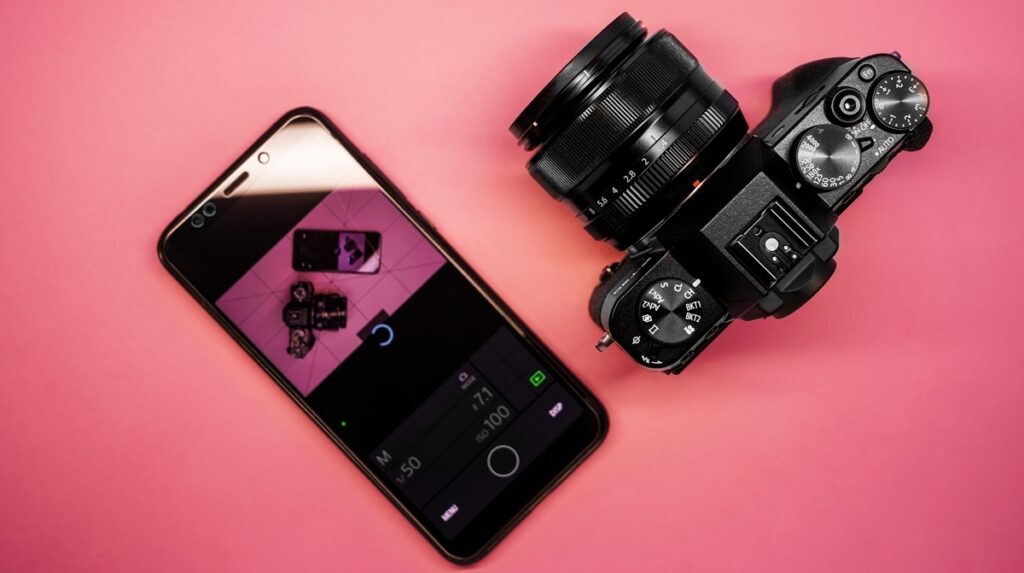
With each new generation of smartphones, camera technology continues to push boundaries—delivering powerful sensors, AI-driven imaging, and computational photography features that were once exclusive to high-end cameras. This progression raises a valid question in the photography and content creation industry:
Can smartphones truly replace professional mirrorless cameras?
This article offers a well-researched, expert-informed perspective on the ongoing convergence between smartphones and professional imaging tools, particularly within the growing Indian market.
Smartphone Cameras: Innovation Meets Accessibility
1. Technological Advancement
Modern smartphones such as the iPhone 15 Pro Max, Samsung Galaxy S24 Ultra, and Google Pixel 8 Pro utilize sophisticated camera systems featuring:
-
AI-enhanced imaging
-
Multi-lens arrays (ultrawide, telephoto, macro)
-
Optical and sensor-shift stabilization
-
Computational bokeh and HDR
-
RAW capture and Pro video modes
These features provide exceptional image quality—especially for social media content, web use, and casual creative work.
2. Portability and Workflow Efficiency
-
Always within reach
-
Optimized for fast capture and sharing
-
Integrated editing tools and cloud sync
-
Ideal for creators managing agile, solo workflows
For digital marketers, travel vloggers, and influencers across India, smartphones offer an unmatched blend of convenience and capability.
Mirrorless Cameras: The Professional Standard
1. Sensor Size and Image Integrity
Mirrorless cameras feature significantly larger sensors (APS-C and full-frame) compared to smartphones, enabling:
-
Greater dynamic range
-
Superior low-light performance
-
Natural depth of field without computational assistance
-
Higher bit-depth in RAW files
This sensor advantage is critical in professional photography workflows, especially for commercial shoots, large-format prints, and post-production flexibility.
2. Optics and System Flexibility
Professional mirrorless systems provide access to a wide range of interchangeable lenses, including:
-
Ultra-fast primes
-
Telephoto zooms
-
Specialty glass (tilt-shift, macro, cinema lenses)
This allows professionals to tailor their tools precisely to the requirements of fashion, wedding, wildlife, and product photography.
3. Build Quality and Control
High-end mirrorless cameras are engineered for durability and precision:
-
Magnesium-alloy weather-sealed bodies
-
Extended battery life for long shoots
-
Manual control dials for on-the-fly adjustments
-
Advanced autofocus and burst modes
In demanding environments—such as weddings in humid Indian climates or outdoor shoots in remote locations—these features are indispensable.
Side-by-Side Comparison: Use-Case Evaluation
| Application Area | Smartphone Camera | Professional Mirrorless Camera |
|---|---|---|
| Social Media Content | ✅ Optimized for speed & sharing | ⚠️ Requires post-processing |
| Wedding Photography | ❌ Limited dynamic range | ✅ Industry standard |
| Studio & Product Shoots | ⚠️ Acceptable for basic needs | ✅ Preferred for controlled lighting |
| Wildlife & Action | ❌ Inadequate zoom & focus | ✅ Fast tracking, telephoto lenses |
| Travel & Street Photography | ✅ Lightweight, discreet | ⚠️ Better quality but less portable |
Complementary Roles: Smartphones and Mirrorless in Tandem
Rather than one replacing the other, professionals are increasingly adopting hybrid workflows:
-
Smartphones are used for behind-the-scenes content, previews, and social engagement.
-
Mirrorless systems handle high-resolution projects, paid assignments, and archival-quality work.
Wireless tethering tools like Canon Camera Connect, Sony Imaging Edge, and apps like Capture One for Mobile further integrate smartphones into professional workflows.
Market Context: The Indian Photography Ecosystem
In India, the demand for digital content is growing rapidly across sectors—from wedding and event coverage to influencer marketing and e-learning production.
Smartphones lower the entry barrier for aspiring creators, especially in Tier 2 and Tier 3 cities, while mirrorless cameras remain essential for professionals delivering commercial-grade content.
The market trend points to a dual-device model, where smartphones empower agility, and mirrorless systems uphold quality.
Conclusion: Are Smartphones Ready to Replace Mirrorless Cameras?
📌 Definitive Answer: Not entirely.
Smartphones have evolved into powerful creative tools, capable of producing professional-looking results in the right conditions. However, mirrorless cameras continue to offer substantial advantages in image quality, lens flexibility, sensor performance, and reliability under demanding circumstances.
For professionals, the choice isn’t binary—it’s strategic. Leveraging both technologies ensures maximum creative output and efficiency.
